
Portable Generators
Flexible backup power for outages, projects, jobsites and recreation. Portable generators give you power where you need it without requiring a permanently installed standby system.
Power Where and When You Need It.
Portable generators produce electricity wherever temporary power is needed. They can support individual appliances, tools and equipment directly or, with properly installed transfer equipment, provide backup power to selected circuits in a home.
Unlike a home standby system, a portable generator is manually positioned, started and connected when power is needed. That flexibility makes portable generators useful for outages, projects, jobsites, camping and other situations where permanent installation isn't necessary.
Built to Go Where the Power Is Needed.
Portable generators combine flexible power with the ability to move from outage backup to projects, jobsites and recreation. The right model depends on how much power you need, how you'll use it and how portable you need it to be.
Fuel That Fits the Way You'll Use It.
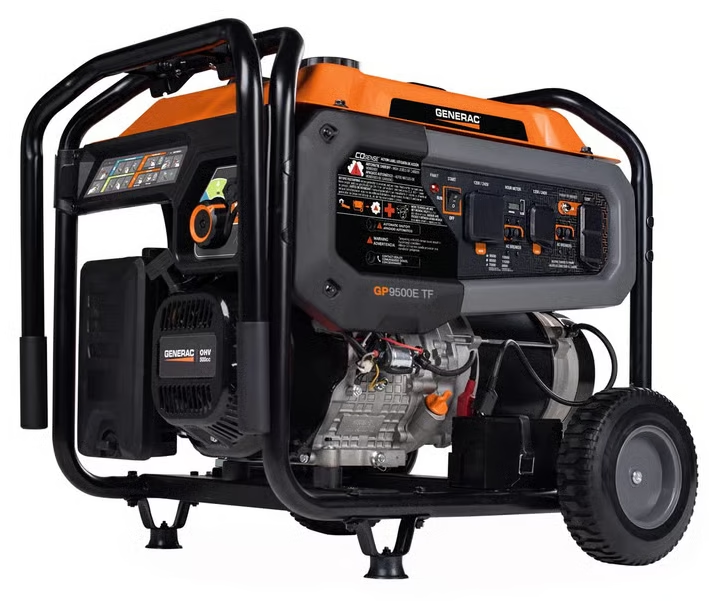
Many portable generators operate on gasoline, while dual-fuel models can provide the option to use gasoline or propane depending on the generator. Fuel type, storage and expected runtime are important considerations when comparing models.
Built to Go Where You Go.
Weight and portability matter along with power output. Smaller inverter generators are designed for easier transport, while larger portable models often use wheels and folding handles to make moving higher-output equipment easier.
Sized for the Job. Sized for the Home.
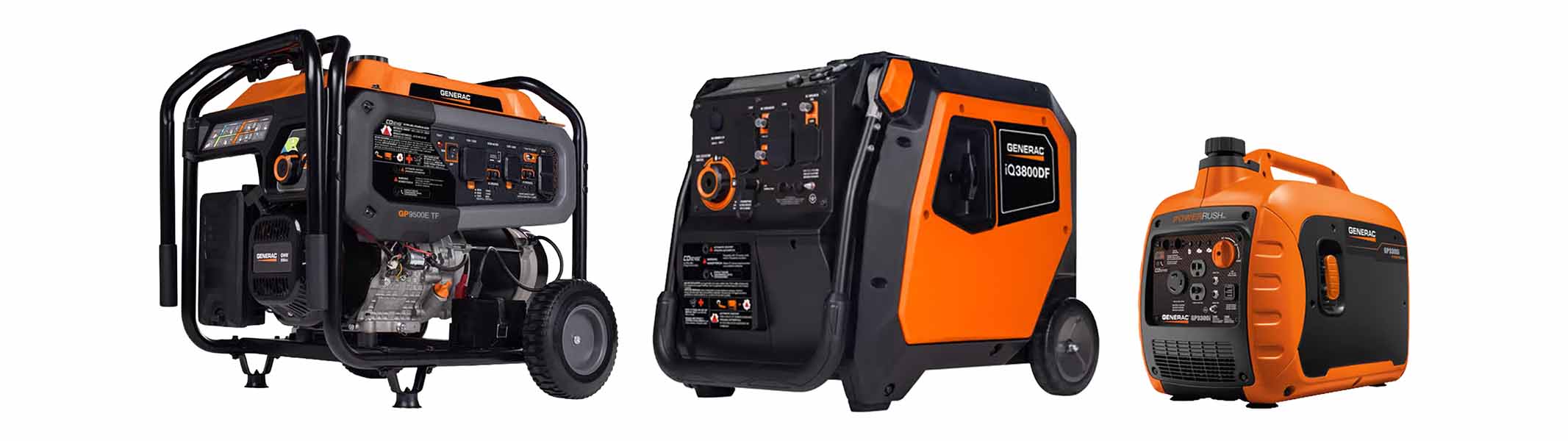
Portable generators are available across a wide range of outputs, from compact inverter units for smaller electrical loads to larger open-frame generators capable of supporting multiple appliances, tools or pieces of equipment.
Understanding both running watts and starting watts is important when choosing a generator, especially when powering equipment with motors, pumps or compressors that may require additional power when they start.
Think Beyond Maximum Wattage.
Output matters, but the best portable generator also needs to fit how and where you plan to use it.
Different Power for Different Jobs.
Portable generators range from compact inverter-style equipment to larger open-frame units. The right format depends on where you'll use it, what you'll power and how much output and portability you need.
Quieter Inverter Power
Inverter-style portable generators can provide quieter operation and compact portability, making them useful when lower operating noise and easier transport are priorities.
Higher-Output Portable Power
Larger open-frame generators trade some portability and quiet operation for increased output, making them useful for larger electrical loads, projects and backup-power needs.
Know How Your Generator Will Connect Before the Power Goes Out.
Portable generators can supply equipment directly using appropriate extension cords, but powering circuits inside a home requires a different setup.
If you plan to connect a portable generator to your home's electrical system, properly installed transfer equipment or a generator inlet should be handled by a qualified electrical professional. A portable generator should never be connected directly to a wall outlet.
Need Portable Power Without a Gasoline Engine?
Portable power stations use rechargeable battery storage instead of an engine and fuel. They're worth comparing when quiet operation, indoor-friendly stored power and portability matter more than the output or extended runtime of a traditional generator.
Want Backup Power That Starts Automatically?
If you'd rather have a permanently installed system that can respond automatically when utility power goes down, explore Benge's home standby generator options.
Find the Backup Power That Fits Your Needs.
Compare all Benge's generator options or visit your nearest Benge's Hardware for local help choosing the right portable power solution.